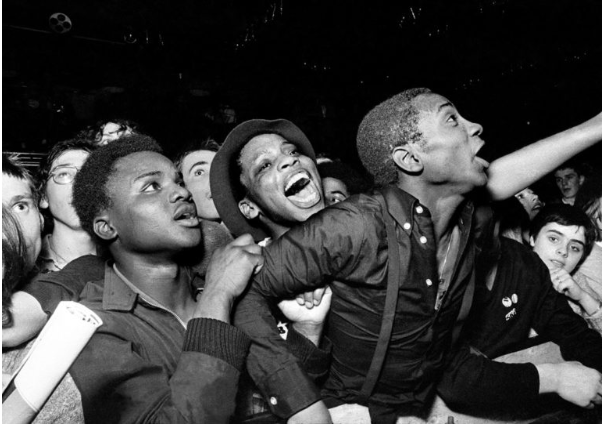
‘Punk was a refuge from racism. On the streets, young men like me were constantly getting pulled up by the cops. The far right were getting stronger throughout the 70s. But punk shows were bringing people together. The Clash were doing Rock Against Racism concerts. The Slits were doing gigs with Aswad. We were all cheering each other on. No racism in our bubble.’ https://www.theguardian.com/lifeandstyle/2020/feb/22/this-much-i-know-don-letts-punk-music-dj-windrush#maincontent
DISCRIMINATION ON THE STREETS. Continuous harassment towards Black British youth from the police contributed to the need for a movement which contested this treatment that many were experiencing and the need to ‘articulate these experiences of struggle in song verse, and art.'[1] This necessity for expression meant that punk could be a welcoming scene to express this anger and give a direction to the disillusioned youth. Peter fryer explains how ‘these black men were subject to increasingly heavy handed policing – the police force was institutionally racist and deeply corrupt.’ [2] The punk subculture has been incredibly outspoken about its distinct dislike of the police force since its emergence in the 1970s and bands such as Sham 69 called for this anger to be directed toward police brutality rather than towards each other. With tracks such as ‘if the kids are united they will never be divided.’
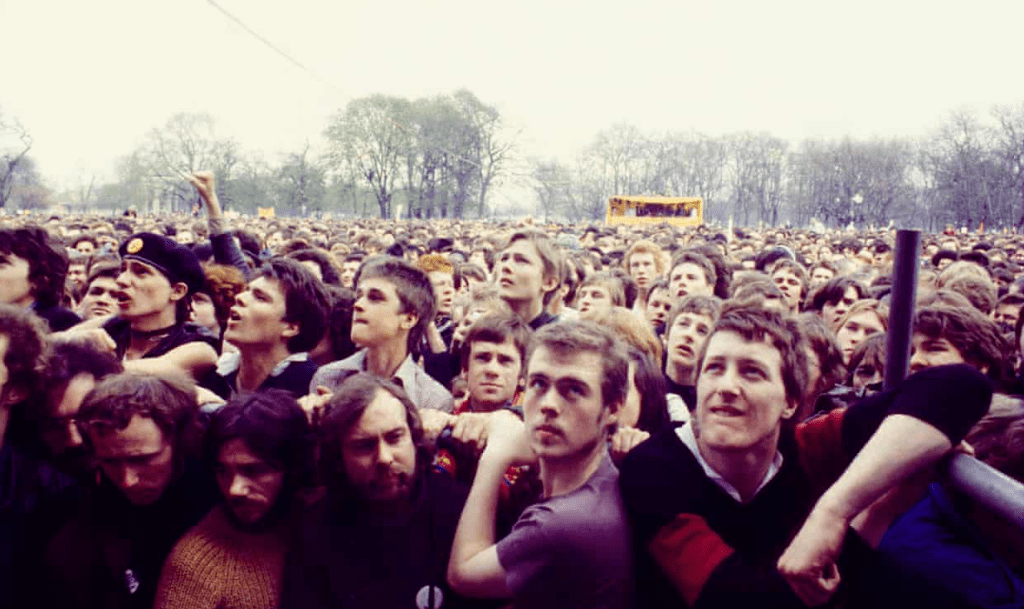
‘the press covering them, heavily criticized the movement and its members as poseurs, fascists or communists, delinquents and so on.’ [3]
Unfair media portrayals furthered this alienation from British mainstream society. Black youth representation in media tabloid press were painted as the perpetrators of violence enabling the justification of heavy handed policing . Critiques of punk were plastered all over the press categorizing and demonising the subculture as a dangerous, radical movement which sought to undermine the government and the middle classes. Which in a way, it did. and that was exactly what was appealing about it for much of the youth who sought rebel and stand in defiance against the state Britain was in a that time. As a means to claim an identity and DIY style which distanced themselves from the status quo.
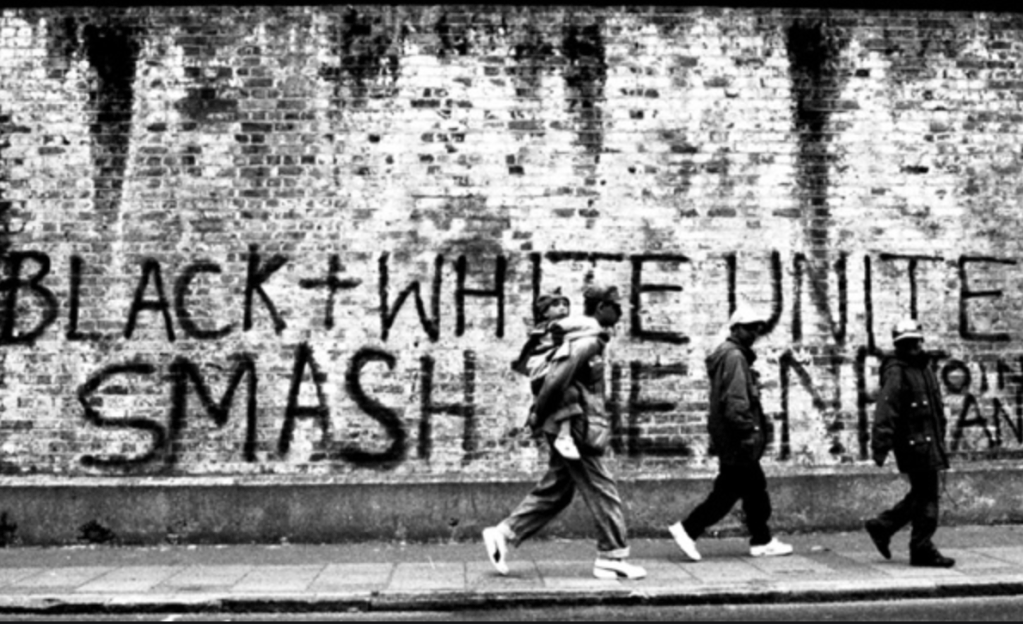
‘MY BLOOD BROTHER IS AN IMMIGRANT, A BEAUTIFUL IMMIGRANT.’

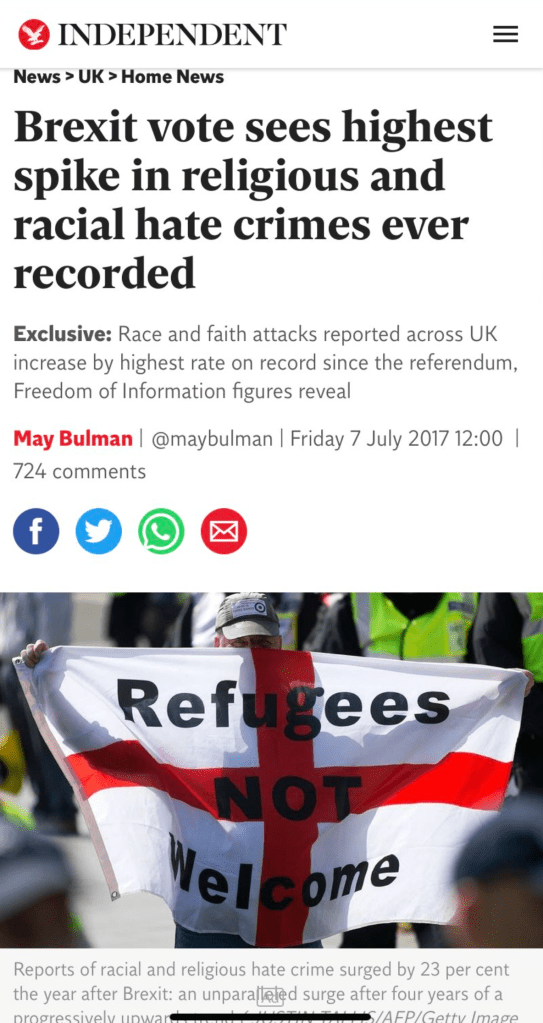
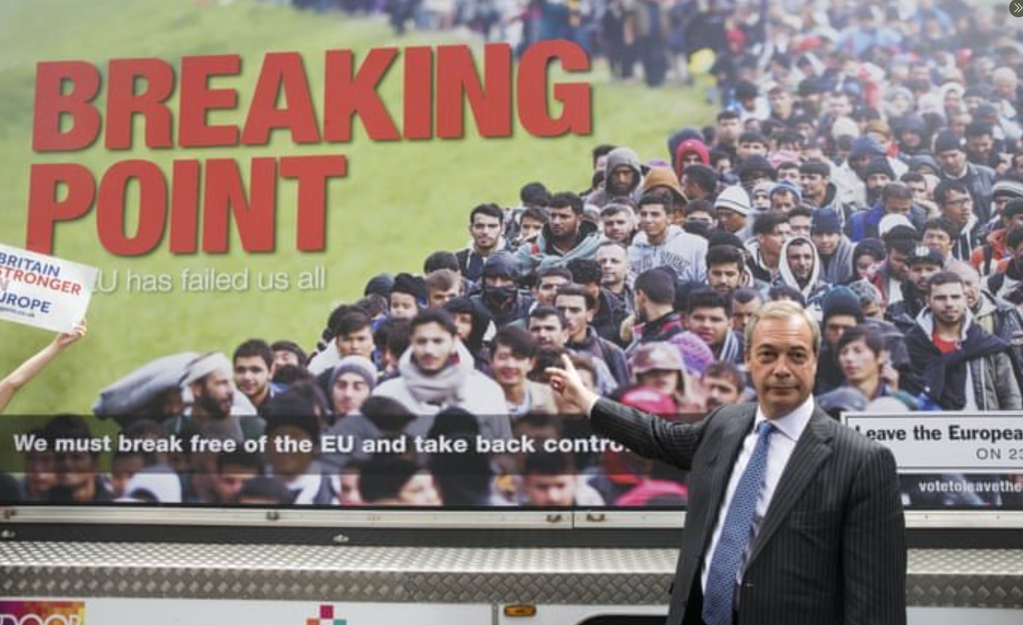
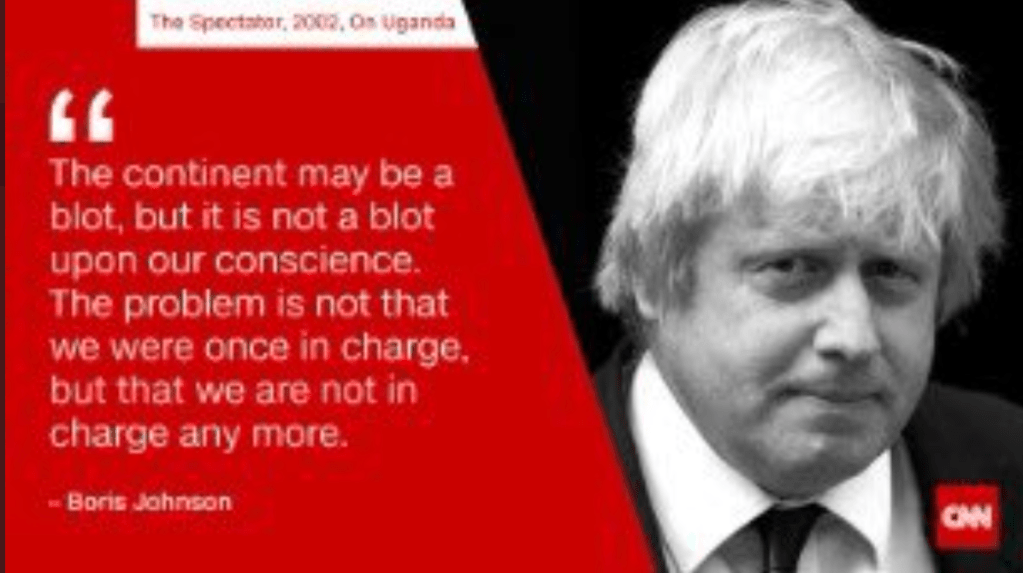
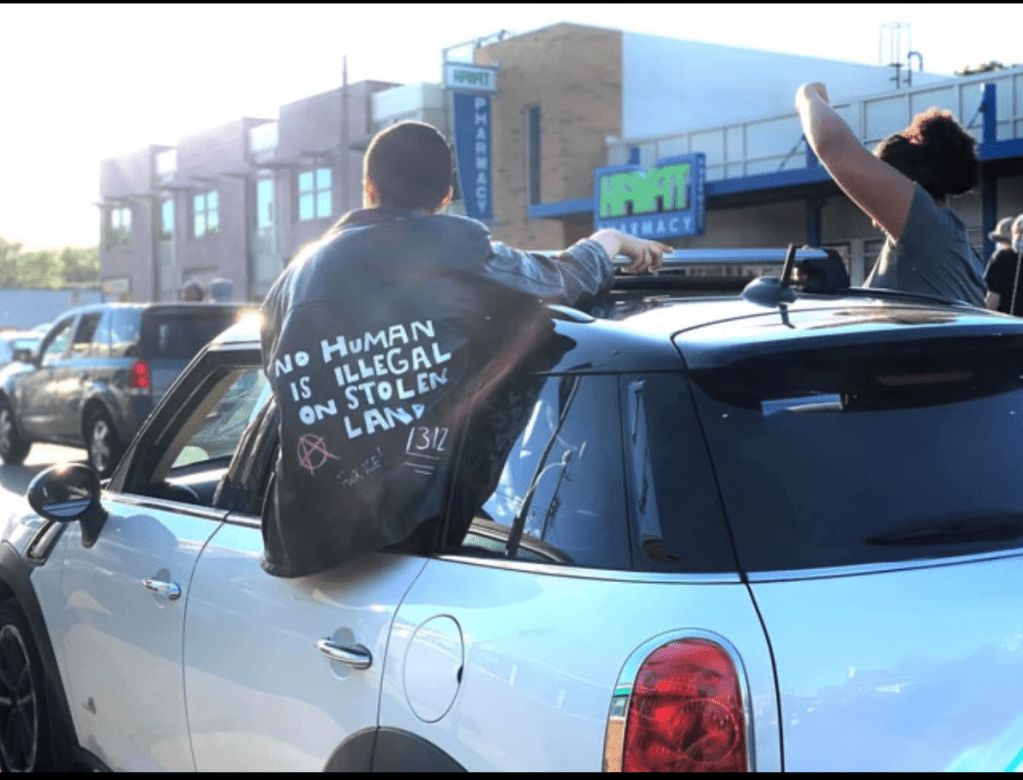
Today the punk movement has had a resurgence in recent years despite people saying the scene died a death. Artists have spoken out about the way Britain still has a long way to go in its attitudes toward race and immigration. The recent years have seen a revival of right leaning political movements such as UKIP. A Brexit campaign built upon tighter immigration controls. Post punk bands continue to use the sound and voice of punk to speak up against the continued discrimination happening in a deeply flawed and racist nation which continuously neglects fundamental issues within housing, healthcare, education and the prison system. UK racism not only exists today within micro-agressions nationwide. It has resurfaced in blatant and vicious ways . Through the use of the British Media , within Grenfell, in gentrification and stop and search policies. The sound of punk and its subculture is a vehicle for political change and activism, to give a voice to the continual injustice and to inspire unity and solidarity amongst the multi cultural society of Britain.
‘HE’S MADE OF BONES, HES MADE OF BLOOD, HES MADE OF FLESH, HES MADE OF LOVE, HE’S MADE OF YOU, HES MADE OF ME. UNITY.’ Joy as an act of resistance.
[1] Chambers, Eddie. Roots and Culture : Cultural Politics in the Making of Black Britain, I. B. Tauris & Company, Limited, 2017. ProQuest Ebook Central, https://ebookcentral.proquest.com/lib/goldsmiths/detail.action?docID=4791304.
[2] Fryer, Peter. Staying power, the history of black people in Britain. Pluto Press, 1984
[3] Moliterno, Alessandro G. “What Riot? Punk Rock Politics, Fascism, and Rock Against Racism.” Last modified 2012, http://www.inquiriesjournal.com/articles/612/2/what-riot-punk-rock-politics-fascism-and-rock-against-racism
 From Local to Global: The History of Music in London Group 1