This post will explore the ‘The role of the state as an employer and as a provider of income, and the growth of structural unemployment’ [1] and how this contributed to the sound of punk.
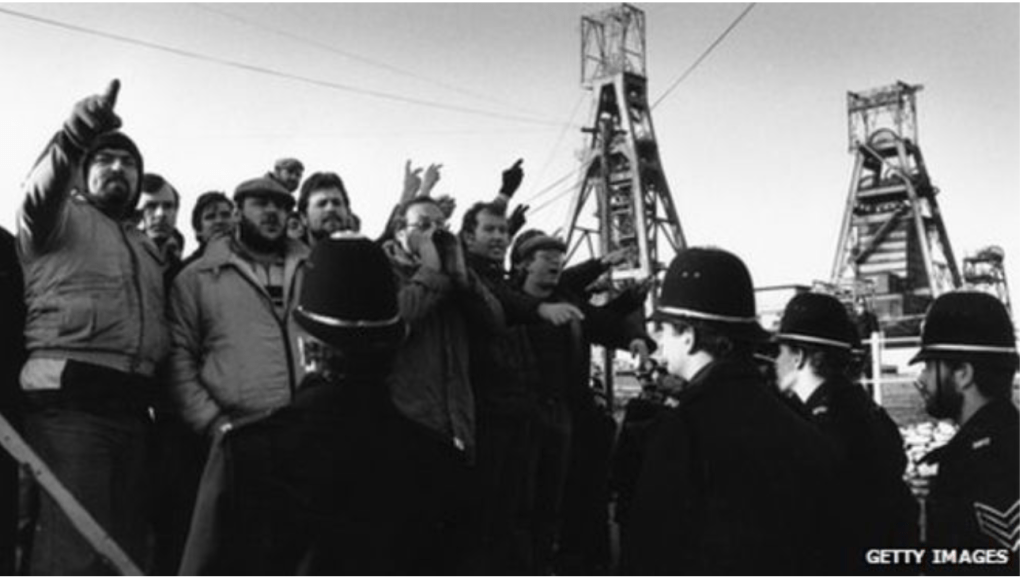

Actions throughout the course of thatchers government had an extremely negative effect within inner cities by the 1970s due to the privatisation of much of the Britains nationalised industries causing widespread factory closure and with it, many of the working class jobs which had been a meagre source of income in a time where money was extremely scarce. This contributed to the rising unemployment in the 1980s and this unemployment disproportionally affected black young men. ‘In the longer term, migrants found themselves vastly affected by the decline of manufacturing industry from the 1970’s because they initially concentrated in that type of employment.’ [2] This wave of unemployment especially in cities where school funding had been neglected, and youth who had been failed by this education system found themselves with an enormous amount of time to ‘reflect on matters of group identity.’ [3] The youth of Britain found themselves in a decade of economic stagnation and those who had became disillusioned by government neglect turned to the sound of punk to express the anger and mistrust of the white, middle class people who held the positions of such power. The punk scene offered a subculture which subverted the establishment which had done such a disservice to the working classes and particularly migrants until this point. The end of deference during the late 1960s and 70s gave a voice to those who had been oppressed by legislation and the looming lack of career opportunities. Especially the migrants who had been continuously demonised by the media and on the streets of England. the emergence of reggae being ever more popular within the sounds of punk with its affinity to ska provided a respite to the overt racism found everywhere in England. Where everywhere else the colour of someones skin seemed to dictate how you were treated in so many parts of life, housing, education, socially and within employment. This discrimination led to an increase in political activism amongst black and asian workers who found a voice and identity in the numbers flocking toward the skinhead and punk sound and message. With left-leaning tendencies offering a voice to people who had found they were being overshadowed by an out of touch and hostile government.
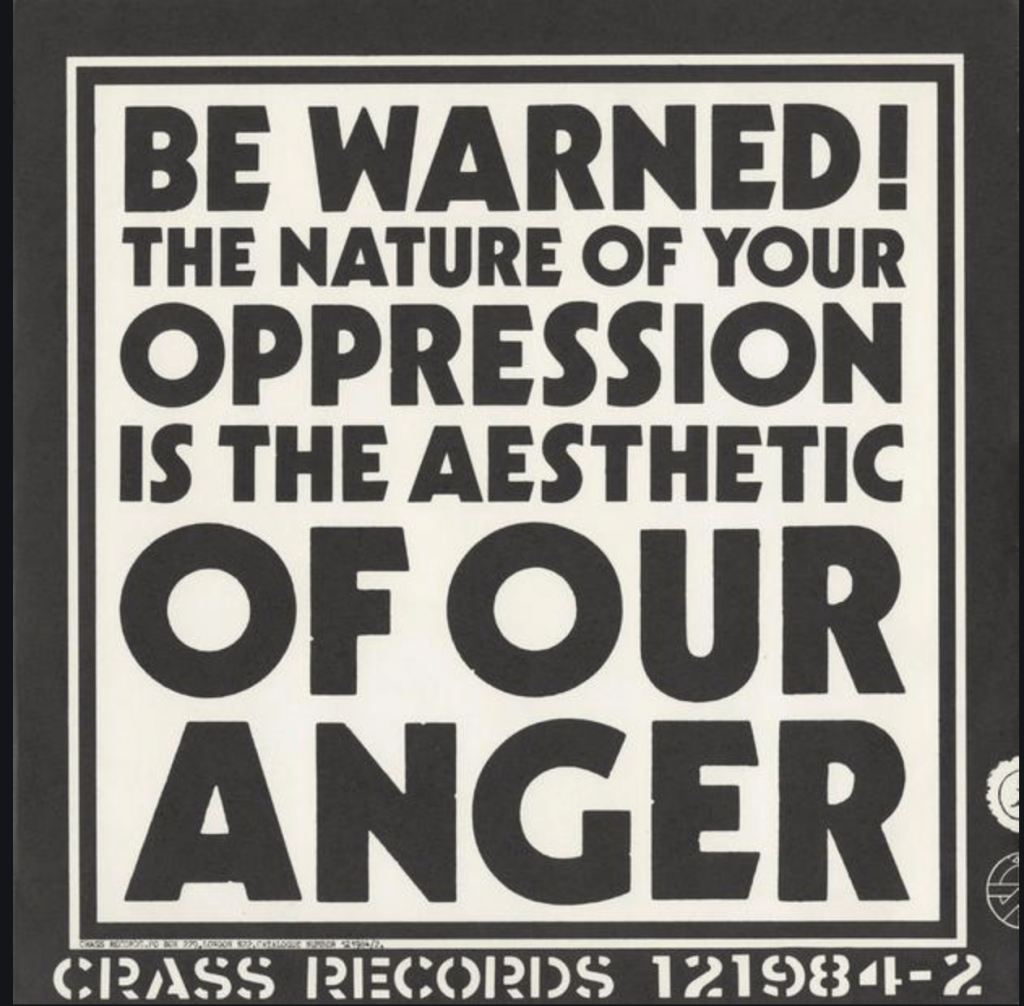
British working class youths fought to define and redefine their identities, their styles, in response to black immigration and culture’ [4]
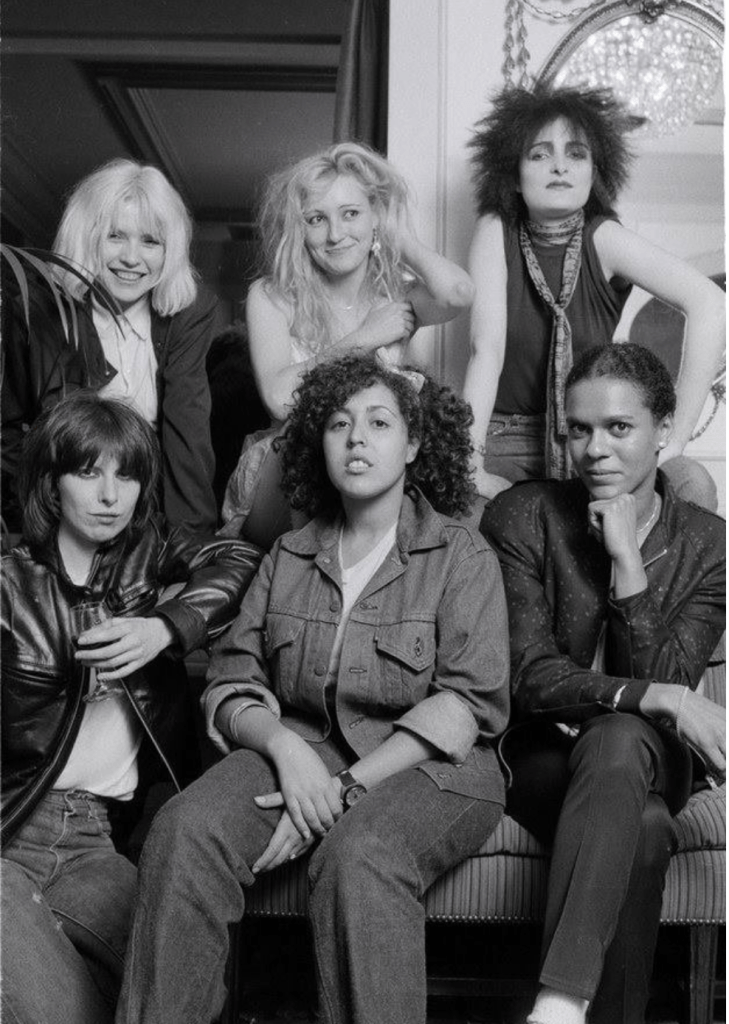
An explosion of aggressive sound during the emergence of the punk subculture under Thatchers government with input from the angst of what some would describe as the ‘all the white boys club’ from the Sex Pistols, The Clash, and The Damned which was a symptom of the alienation and anti establishment the youth were experiencing nationwide. However this subculture carried messages and influences from many voices. Described as ‘effervescently discordant’ singer Poly Styrene of the X-ray Spex contributed a new sound of discord unto a largely white male dominated subculture of punk.
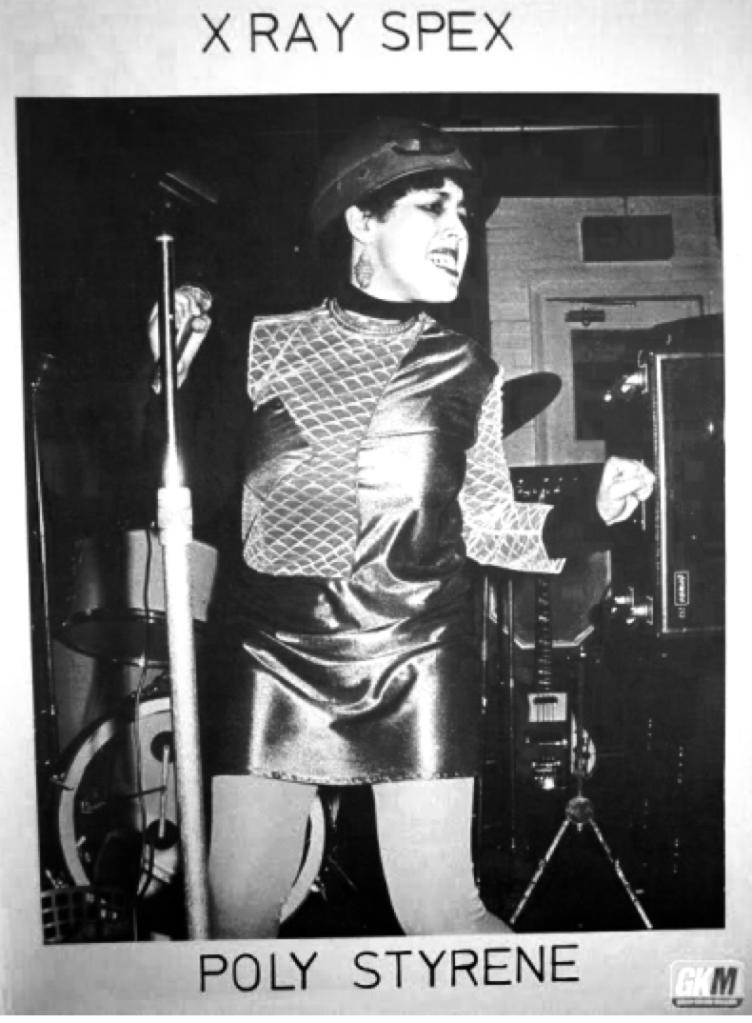
“Poly gave a voice to people like her—women, the disenfranchised, people of colour—growing up in a London that was blighted by discrimination” https://elephant.art/oh-bondage-up-yours/
Alongside acts such as basement 5 in the 1980s who spoke up against the struggle of migrants described as a radical reggae punk fusion band from London, founded in 1978. this was a way to subvert the socially assigned identities many migrants had gained and find unity with the working class youth who also rejected the idea of sitting back and accepting this mistreatment.
[1] There Ain’t No Black in the Union Jack’: The Cultural Politics of Race and Nation. London: Hutchinson, 1987. https://www.dawsonera.com/Shibboleth.sso/Login?entityID=https://idp.goldsmiths.ac.uk/idp/shibboleth&target=https://www.dawsonera.com/depp/shibboleth/ShibbolethLogin.html?dest=https://www.dawsonera.com/abstract/9780203995075.
[2]Panayi, Panikos. Immigration, Ethnicity, and Racism in Britain, 1815-1945. Manchester [England]: Manchester University Press, 1994.
[3] Eddie chambers Cultural Politics in the making of black Britain roots and culture
[4] Moliterno, Alessandro G. “What Riot? Punk Rock Politics, Fascism, and Rock Against Racism.” Last modified 2012, http://www.inquiriesjournal.com/articles/612/2/what-riot-punk-rock-politics-fascism-and-rock-against-racism
 From Local to Global: The History of Music in London Group 1